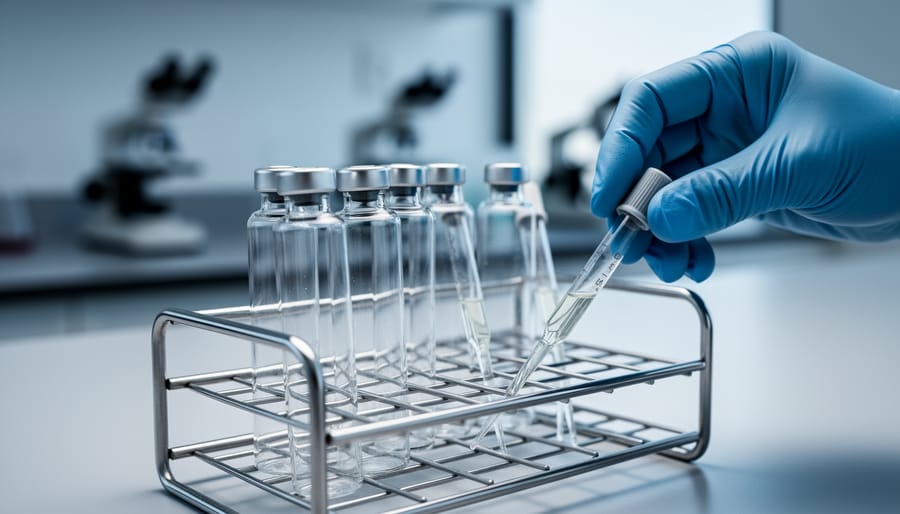
Research peptides are flooding Montreal’s wellness circles, and if you’re curious about the trend, you can find them through specialized suppliers like an online peptide store that caters to researchers and labs. These synthetic amino acid chains are designed strictly for laboratory use, not human consumption, but they’ve sparked major conversations at gym meetups, wellness expos, and even late-night afterparties across the city.
Here’s the reality: the peptide market exists in a gray zone. Legitimate suppliers sell these compounds for scientific research, cell studies, and academic work. But as Montreal’s biohacking and fitness communities grow more sophisticated, peptides have become a hot topic among people looking for performance edges, recovery shortcuts, or anti-aging solutions. You’ll hear whispers about them at CrossFit boxes in the Plateau, boutique wellness studios downtown, and underground supplement circles.
Before you even think about clicking “buy,” understand this isn’t a casual purchase. Research peptides aren’t regulated for human use in Canada, meaning there’s zero oversight on purity, dosing, or safety when people use them off-label. The suppliers selling them legally do so with explicit disclaimers that these are for research only.
This guide cuts through the hype. We’ll break down what research peptides actually are, why they’ve captured Montreal’s attention, the serious legal and health risks involved, and safer alternatives that deliver real results without the regulatory roulette. Whether you’re genuinely researching or just trying to understand the buzz, you need the full picture before making any moves.
What Are Research Peptides, Anyway?
Picture this: you’re at a rooftop gathering in the Plateau, and someone mentions they’ve been “researching peptides” for recovery after spin class. A bartender at a Saint-Laurent cocktail lounge casually drops the term while discussing his latest biohacking experiment. Suddenly, everyone’s Googling “research peptides for sale” on their phones between rounds of drinks. But what exactly are these things everyone’s whispering about?
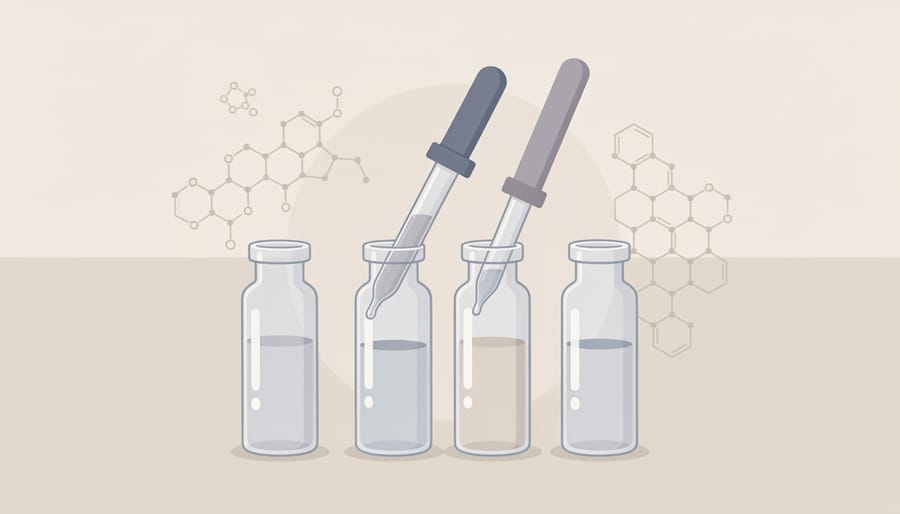
In the simplest terms, research peptides are short chains of amino acids, the building blocks that make up proteins in your body. Think of them like mini-versions of the proteins that already exist naturally inside you, doing everything from building muscle to regulating hormones. Some peptides signal your body to produce growth hormone, others might influence fat metabolism or skin repair, and a few claim to boost energy or speed up recovery after those brutal Orange Theory sessions.
Here’s where it gets tricky: the “research” label isn’t just marketing speak. These peptides are legally sold for laboratory research purposes only, meaning scientists studying them in controlled settings, not for your post-nightclub recovery smoothie.
So why are Montreal’s gym rats and festival regulars even talking about them? Because the wellness and biohacking communities have latched onto peptides as the next frontier in optimization. Online forums, Reddit threads, and YouTube channels are packed with anecdotal claims about faster muscle recovery, better sleep, enhanced focus, and even anti-aging effects. In a city that obsesses over the latest cold-plunge spot or adaptogenic coffee bar, it’s no surprise that research peptides have entered the conversation. They promise shortcuts to feeling and performing at your peak, which sounds pretty appealing when you’re juggling a demanding job, hitting the gym five times a week, and still trying to keep up with Montreal’s relentless social calendar.
The Montreal Connection: Wellness Meets Social Culture
Montreal isn’t just throwing parties, it’s optimizing them. This city has always thrived on contradictions: late nights and early morning yoga classes, indulgent brunches followed by afternoon HIIT sessions, cocktail culture coexisting with cold-pressed juice bars. It’s this particular ecosystem that’s made Montreal fertile ground for wellness trends that feel less like restriction and more like enhancement.
Walk through the Plateau on a Saturday morning and you’ll spot the same faces you saw dancing at 2 a.m. now queuing for açai bowls or hitting boutique fitness studios. The city’s social calendar doesn’t run on either/or logic. People want to perform at the gym, look good at the club, recover faster, and do it all again Thursday through Sunday. That mindset, optimization without sacrifice, creates space for conversations about anything that promises an edge.
Montreal’s experimental streak runs deep. This is the city that pioneered North America’s electronic music scene, that turned alleyways into art installations, that made winter festivals a reason to celebrate rather than hibernate. When something new hits the wellness or nightlife circuit, whether it’s adaptogenic cocktails, infrared saunas, or peptide protocols, Montreal’s early adopters don’t just try it, they integrate it into their lifestyle and talk about it openly.
The best party neighborhoods also happen to house some of the city’s most progressive wellness spots. Mile End’s underground clubs sit blocks from holistic health clinics. Old Montreal’s rooftop bars share zip codes with cutting-edge recovery lounges. This geographic overlap isn’t coincidence, it reflects a culture where the people pushing boundaries socially are often the same ones exploring them physically.
That’s why research peptides have entered the conversation here. Not because Montreal is reckless, but because it’s curious. The city’s social culture rewards being informed about emerging trends, whether that’s a new DJ, a pop-up restaurant concept, or a biohacking protocol making waves in performance circles. Montreal doesn’t wait for trends to be mainstream, it gets there first, tests them within its tight-knit communities, and decides what’s worth keeping.
Where the Buzz Is Coming From
The chatter about research peptides didn’t just appear out of nowhere, it’s been building quietly across Montreal’s wellness-obsessed circles for a while now. Walk into any high-end gym in the Plateau or Mile End, and you’ll overhear conversations that sound more like chemistry lectures than workout talk. Personal trainers swap notes about recovery protocols, boutique fitness instructors mention peptide acronyms between spinning classes, and there’s always that one regular who’s deep into Reddit threads about “optimizing everything.”
Online biohacking communities have exploded with discussions about where to find research peptides for sale, complete with lab reports, dosing protocols, and endless debates about suppliers. These aren’t fringe forums anymore, they’re populated by otherwise normal people who track their sleep, wear continuous glucose monitors, and treat their bodies like science projects. Montreal’s tech workers, fitness competitors, and even bartenders crafting adaptogenic cocktails are lurking in these spaces, absorbing information and sharing it at after-hours hangouts.
The conversation spills into real life at wellness lounges downtown, where IV drip appointments turn into impromptu discussions about what “the next level” might look like. At summer events like the Montreal Jazz Festival between sets, you’ll catch snippets of talk about performance enhancement and recovery hacks from people who want to keep up with Montreal’s relentless social calendar without burning out.
It’s not openly advertised, but the undercurrent is there, whispered recommendations, private Telegram groups, and that friend-of-a-friend who “knows a guy.” The appeal seems tied to Montreal’s broader culture of pushing boundaries and staying ahead of trends, where looking good and feeling sharp aren’t just nice-to-haves, they’re part of the social currency. People aren’t necessarily buying anything yet, but they’re definitely paying attention.
What to Know Before You Even Think About It
Look, we get it. The conversation around research peptides can sound pretty compelling, especially when you’re hearing recovery stories at the gym or seeing influencers casually mention them between posts about their nightlife adventures. But before you go searching for research peptides for sale, there’s some real talk you need to hear, and it’s not the fun kind of insider intel like where to find the best Quebec breweries or which speakeasy just opened.
First up: the legal landscape in Canada is murky at best. Research peptides exist in a regulatory grey zone. They’re not approved for human consumption by Health Canada, which means they’re sold strictly for laboratory research purposes. That “research use only” label isn’t just legal fine print, it’s the entire basis for why they can be sold at all. Using them on yourself? That’s technically stepping outside the bounds of what’s permitted, and you’re operating without any regulatory safety net.
Here’s where it gets sketchy: the lack of regulation means quality control is all over the map. Unlike supplements you’d grab at a health store, there’s no Health Canada stamp ensuring what’s in the vial matches what’s on the label. Purity, potency, contamination, these are real concerns when you’re dealing with unregulated suppliers. Some operations are legitimate research chemical companies serving actual labs; others are capitalizing on demand from biohackers with zero accountability.
The potential risks aren’t trivial either. We’re talking about compounds that interact with your body’s signaling systems, hormones, immune function, cellular repair. Without proper dosing protocols, medical supervision, or even certainty about what you’re actually injecting, you could be triggering allergic reactions, hormonal imbalances, or worse. And because they’re unregulated for human use, there’s limited clinical data on long-term effects or interactions with other substances (yes, including alcohol from your Saturday night out).
Bottom line: the gap between “research chemical” and “safe wellness product” is massive. If you’re genuinely interested in peptide therapy, find a licensed healthcare provider who works with approved, regulated options. DIY biohacking might sound edgy, but it’s not worth gambling with your health.
The Smarter Approach: Proven Wellness Hacks Montreal’s Scene Actually Swears By
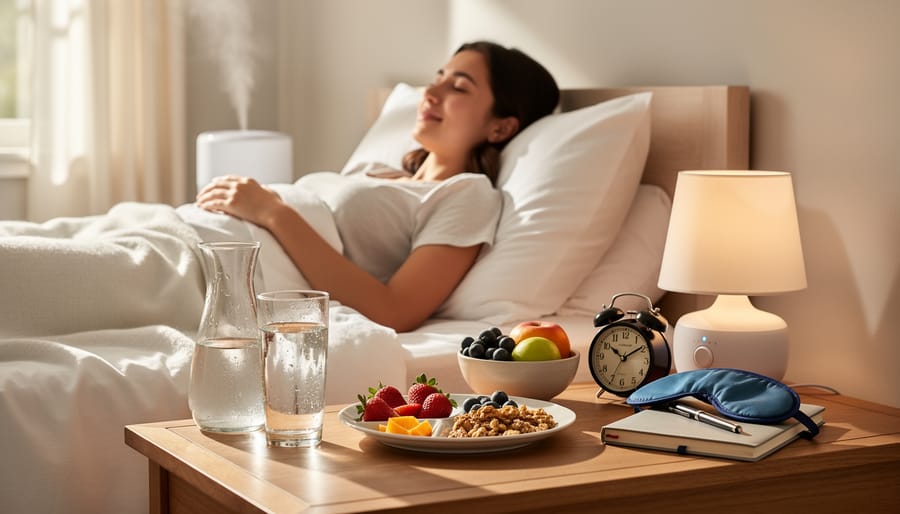
Montreal’s wellness crowd has already cracked the code on feeling sharp, recovering fast, and looking their best, without venturing into murky research territory. The city’s nightlife and fitness scenes have embraced a handful of proven practices that deliver real results and actually fit into a social lifestyle.
Walk into any upscale gym in Griffintown or Old Montreal and you’ll hear people raving about cryotherapy. Three-minute sessions in subzero chambers have become the go-to post-workout ritual for reducing inflammation and speeding recovery. Spots like CryoBar MTL are packed with young professionals who swear by it for bouncing back from intense training or, honestly, a big weekend out. The endorphin rush doesn’t hurt either.
IV therapy lounges have exploded across the Plateau and downtown. These aren’t sketchy operations, think sleek, lounge-style spaces where you can get custom vitamin drips designed for hydration, energy, or recovery. After a late night at Newspeak or a marathon brunch session, locals are booking NAD+ or glutathione infusions the way previous generations grabbed ibuprofen. It’s become a legitimate part of the social wellness calendar.
Then there’s the bar scene’s embrace of adaptogens and functional ingredients. Mixologists at places like Kampai Garden and Datcha are crafting cocktails with reishi, ashwagandha, and lion’s mane mushrooms, botanicals proven to support stress response and mental clarity. Even the morning-after crowd is leaning into wellness: ordering a perfectly balanced matcha morning drink at cafes that understand the recovery game.
Sleep optimization has become surprisingly cool. Boutique studios offering float therapy, infrared sauna sessions, and guided meditation are packed with the same people you’d see at Stereo or Electric Avenue. They’ve figured out that prioritizing recovery is what actually lets you keep up with Montreal’s relentless social pace.
Nutrition-focused restaurants like LOV and Copper Branch aren’t niche anymore, they’re mainstream hangouts where health-conscious crowds fuel up before hitting the town. The emphasis is on whole foods, anti-inflammatory ingredients, and meals designed to support performance without the crash.
The common thread? These approaches are legal, researched, accessible, and woven into Montreal’s existing culture. They deliver measurable benefits without the legal gray zones or health question marks. The city’s scene has always been about staying ahead of trends, but the smartest move is investing in what’s actually proven to work.
So here’s the thing about research peptides popping up in Montreal conversations: it’s honestly just another sign that this city stays ahead of the curve when it comes to wellness trends. The fact that research peptides for sale are even on people’s radar shows how tuned-in Montreal’s social and fitness scenes are to emerging biohacking discussions. That forward-thinking energy? It’s what makes this city’s wellness culture so dynamic.
But being ahead of trends also means being smart about which ones to actually embrace. The reality is that proven, legal wellness practices deliver real results without the sketchy legal grey areas or safety question marks. Montreal’s already packed with incredible wellness experiences that work, cryotherapy studios, IV therapy lounges, nutrition-focused eateries, and bars mixing adaptogens into craft cocktails. These aren’t just trendy; they’re accessible, regulated, and actually designed for human use.
The beauty of Montreal’s scene is that innovation doesn’t stop. New wellness spots, recovery techniques, and performance optimization methods keep emerging, and the city’s community of health-conscious night owls will continue pushing boundaries in the smartest ways possible. You don’t need to gamble on unregulated substances when the next breakthrough wellness experience is probably opening in Mile End or the Plateau next month. Stay curious, stay informed, and keep exploring what Montreal does best: blending cutting-edge health culture with unforgettable social experiences.